Grupa Badawcza Studia Graniczne i Regionalne (SGiR)

W grudniu 2023 r. na Wydziale Nauk Politycznych i Dziennikarstwa rozpoczęła działalność Grupa Badawcza Studia Graniczne i Regionalne (SGiR).
Grupa Badawcza SGiR zajmuje się badaniami granic, pograniczy i regionów w kontekście procesów integracji i dezintegracji, ze szczególnym naciskiem na obszary Europy Środkowej i Wschodniej, Morza Bałtyckiego i Czarnego oraz Bałkanów.
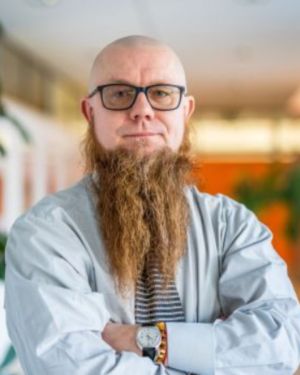
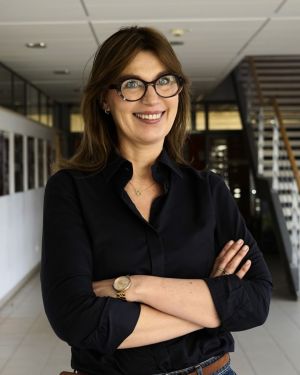
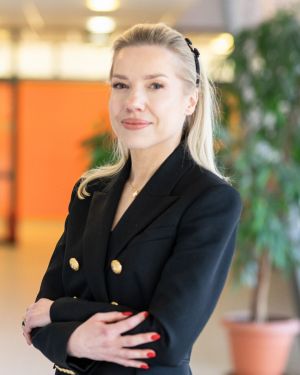
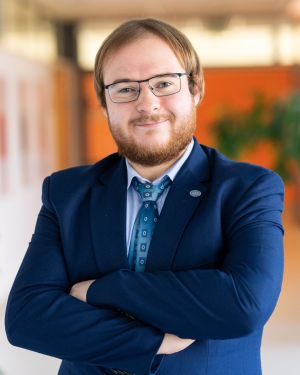
Stanowi ona kolejny krok w wieloletnich aktywnościach badawczych i dydaktycznych zespołu naukowców reprezentujących różne specjalności i podejścia analityczne, a koncentrujących się na dynamice zmian w relacjach między państwami i niepaństwowymi aktorami w kontekście zmieniającej się rzeczywistości międzynarodowej. W skład Grupy wchodzą: prof. UAM dr hab. Jarosław Jańczak (Kierownik), prof. UAM dr hab. Tomasz Brańka, prof. UAM dr hab. Łukasz Donaj, dr Joanna Skrzypczyńska, dr Anna Sakson-Boulet oraz mgr Marcin Wochelski.
Realizowane projekty:
- CEEPUS “Border and Regional Studies Network”
- Ukrainian refugees in Central Europe and the Balkans – lessons learned and policy recommendations
- ValEUs Jean Monnet Policy Network “Research & Education Network on Contestations to EU Foreign Policy”
- n-SECBO “The neo-securization of borders: implications for European values”
W ramach Open Lecture Series wykłady przeprowadzili:
2026
- Dr. Adam Kočí (University of Ostrava) — Greenland Between Denmark, the United States, and Independence
- Dr. Andrea Peinhopf (University of Ostrava) — Whose security? The fight against russian foreign interference and it’s impact on russian-speaking communities in the baltic borderlands
- Prof. Jaume Castan Pinos (University of Southern Denmark) — Rebel groups and the state: an intimate relationship
- Prof. Yuriy Matsiyevsky (Ostroh Academy National University) — WAR AS A CRITICAL JUNCTURE: THREE SCENARIOS OF REGIME EVOLUTION IN UKRAINE
- Prof. Georgios Malandrakis (Aristotle University of Thessaloniki, Greece) — Climate Justice Education
2025
- Prof. César García Andrés (University of Valladolid, Spain) — The First Contacts of the Former Soviets with the European Economic Community (the Case of Ukraine)
- Prof. Drago Župarić-Iljić (University of Zagreb, Croatia) — Complexities of migration in the West Balkans
- Prof. Robert Shandley (Texas A&M University, USA) — The dynamics in the transatlantic relations: stress factors, challenges and opportunities
- Prof. Maria Escobar-Lemmon (Texas A&M University, USA) — Does the diffusion of norms of equality increase women's representation on high courts?
- MA Tigran Ghlejyan (Yerevan State University, Armenia) — Armenia – History, Present and Future?
- Prof. Fujio Ohnishi (Hokkaido University, Japan) — Arctic geopolitics: strategic competition and the impact of the War in Ukraine
- Prof. Volodymyr Dubovyk (Center for European Policy Analysis, USA & Odesa Mechnikov University, Ukraine) — The Dynamics in the Transatlantic Relations: Stress Factors, Challenges and Opportunities
- Prof. Ivan Dodovski (University American College Skopje, North Macedonia) — Europe’s Borderland or the First Europe? Reconsidering Some Notions of the Balkans
- Prof. Andrea Schmidt (University of Pécs, Hungary) — Hungary – History, Present and Future?
- Prof. Sergii Pakhomenko (Mariupol State University, Ukraine & University of Latvia, Latvia) — “From ‘Donbass Patriotism’ to ‘Novorossiya’ and ‘Russkiy Mir’: Ideological Narratives of the Local Identity of the East Ukrainian Borderland”
- Dr. Bartosz Czepil (University of Opole, Poland) — Between Protecting State Borders and Corruption of the Border Management: Case of the 2023 “Cash-for-Visa Scandal” in Poland
- Dr. Vitaliy Zavadśkyi (Borys Grinchenko Kyiv Metropolitan University, Ukraine) — Concepts of Global Transformations of the World – Confrontation in the Context of the Russian-Ukrainian War
- Dr. Vladimir Ivanović (University of Zagreb, Croatia) — Walking Borders, Risk and Belonging: advances in ethno-mimetic research in the making and re-making of three European borders
- Dr. Courtney Blackington (University of Pittsburgh, USA) — Conspiracy Theory Communications Framing and Support for Populists’ Anti-Democratic Behaviour
- Dr. Lukáš Vomlela (Silesian University in Opava, Czech Republic) — Czech Foreign Policy and Its Relationship to the Visegrad Group Countries
2024:
- Dr. Yakipbek Genjemuratov (Karakalpak State University, Uzbekistan) — Karakalpakstan and Its Role in Central Asia
- Prof. Laurent Goetschel (University of Basel, Switzerland) — Swiss Reactions to the War in Ukraine
- Prof. Akihiro Iwashita (Hokkaido University, Japan) — Northeast Asian Geo-politics under Russia’s War in Ukraine
- Prof. Hynek Böhm (Technical University of Liberec, Czechia) — Impact of the Czech–Polish intergovernmental Turów dispute on mental distance and cross-border integration: Avoiding problems, or neighbours?
- Dr. Sonja Priebus (European University Viadrina, Germany) — The European Union’s “transformative power” revisited: How successful is the EU in promoting and securing democratic change in member and candidate states?
- Prof. Heino Nyyssonen (University of Turku, Finland) — The Kafka’s Castle? Finland, Sweden and the Ratification of NATO Enlargement in Hungary
Głównymi celami Grupy Badawczej Studia Graniczne i Regionalne są: 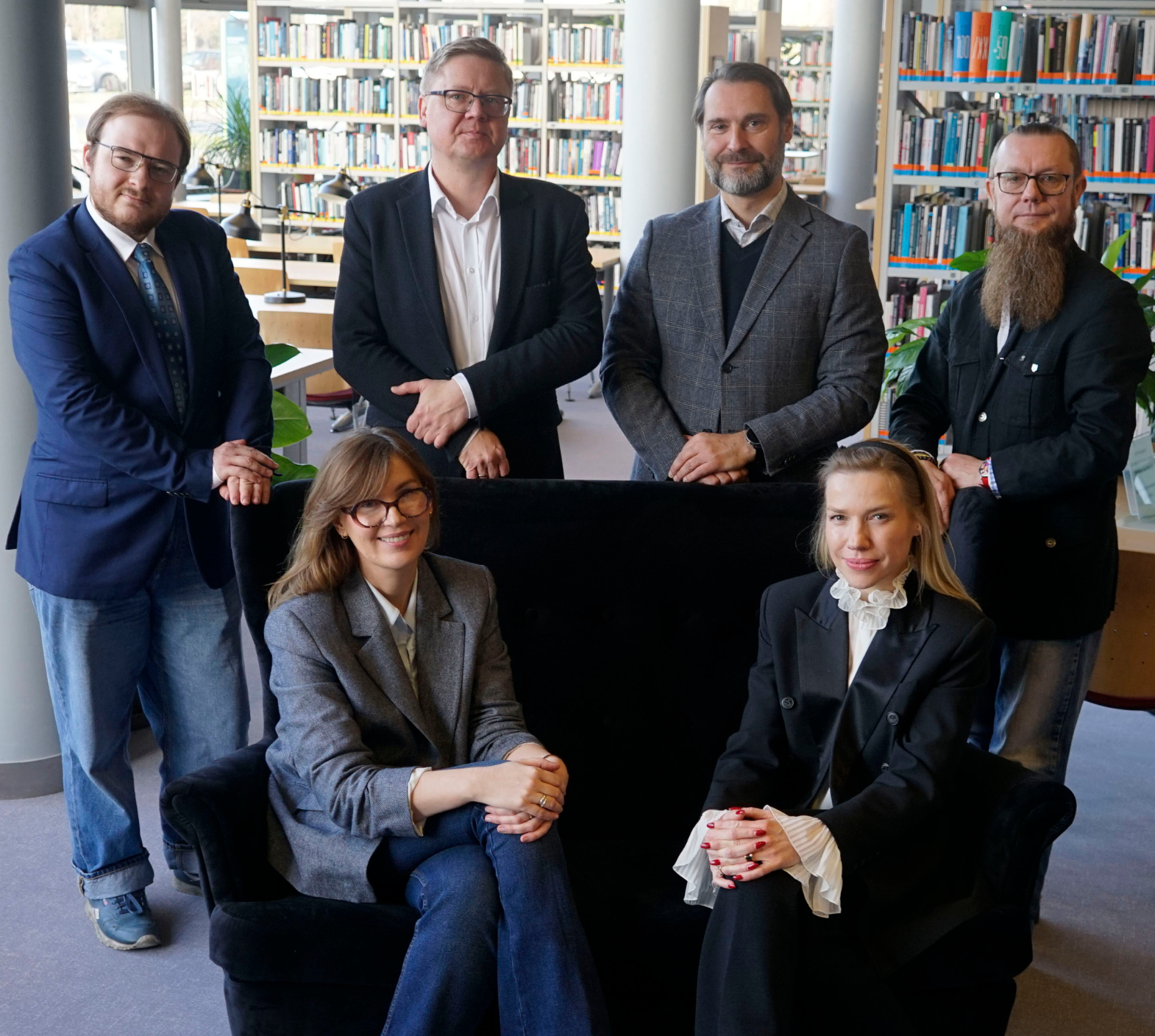
- badania, a w szczególności pozyskiwanie, udostępnianie i promowanie aktualnych trendów w dziedzinie studiów nad granicami i regionami;
- zwiększenie mobilności między studentami i wykładowcami reprezentującymi instytucje akademickie zaangażowane w studia nad granicami i regionami;
- stworzenie podstaw do regularnej debaty akademickiej na temat regionów przygranicznych, szczególnie w Europy Środkowej i Wschodniej, w regionie Morza Bałtyckiego i Czarnego oraz Bałkanów oraz integracji regionalnej i subregionalnej;
- popularyzacja współpracy transgranicznej w wymiarze akademickim;
- tworzenie i rozwój kolejnych międzynarodowych projektów badawczych.
Dodatkowo, Grupa osadzona jest w transgranicznej sieci współpracy studiów granicznych i regionalnych, działających w ramach konsorcjum Border and Regional Studies Środkowoeuropejskiego Programu Wymiany Uniwersyteckiej – CEEPUS.
Aktualności
-
![undefined]()
Prof. Drago Župarić-Iljić wykładowcą na studiach podyplomowych
-
![undefined]()
Studentka WNPiD, lic. Marta Mądra na stypendium naukowym na Uniwersytecie w Lublanie
-
![undefined]()
Prof. Tomasz Brańka na stażu naukowo-dydaktycznym na Uniwersytecie Babeș-Bolyai w Kluż-Napoka
-
![undefined]()
Inauguracyjne seminarium projektu „Miękka siła pod ciężkim ostrzałem...” na Europejskim Uniwersytecie Viadrina we Frankfurcie nad Odrą
-
![undefined]()
Student Jakub Napierała na stypendium w Libercu
-
![undefined]()
Studentka Jagoda Szargan na Uniwersytecie Śląskim w Opawie